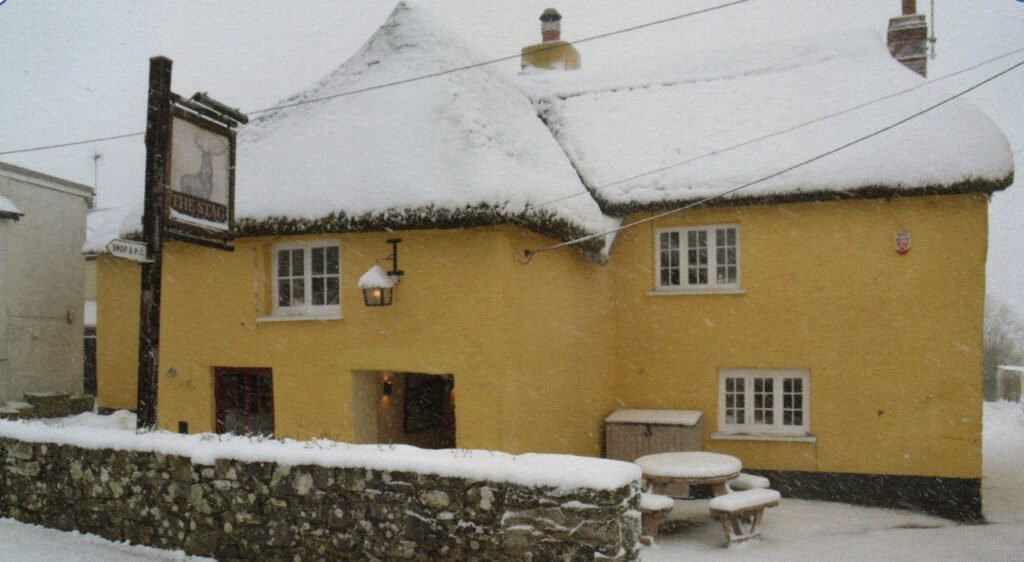
A community-run pub is a pub that’s owned and operated by the local community, rather than by a private landlord or a big brewery.
In practice, that usually means:
- Local people own it together – often through a cooperative or community benefit society. Residents buy shares or memberships.
- Decisions are made collectively – big choices (like renovations, opening hours, or how profits are used) are voted on by members.
- Profit isn’t the main goal – any surplus is typically reinvested into the pub or other community projects.
- It’s more than just a pub – many double as cafés, post offices, libraries, event spaces, or hubs for clubs and meetings.
- It saves a local pub from closure – lots of community pubs start when the last village pub is about to shut down.
Think of it as “the village living room” rather than a business purely chasing profit
People run a community pub because it does things a normal pub often can’t — socially, economically, and emotionally. The reasons usually stack up like this:
Keeps the community alive
- It gives people a shared place to meet, especially in villages or neighbourhoods with few public spaces.
- Helps fight loneliness, particularly for older residents or people new to the area.
Saves an important local asset
- Often the last pub in the area — once it’s gone, it’s gone.
- Community ownership protects it from being turned into housing or sold off.
Keeps money local
- Profits are reinvested locally instead of going to distant owners.
- Creates local jobs and supports nearby suppliers and breweries.
More than a pub
- Hosts events: quizzes, live music, book clubs, food nights, repair cafés.
- Can include other services (shop, café, post office, co-working space).
Gives people a say
Builds pride, skills, and confidence among locals.
Members get real control, not just “customer feedback.”
Leaving an indelible mark on the landscape of tomorrow.
FAQs
Will it work?
We’ve looked into different types of local community pubs and believe we’ve figured out what makes them work well. We’ve also learned from community pubs that didn’t succeed and identified which approaches are most likely to succeed.
Why set up now when the pub isn’t for sale?
We’d like to be in a position to make an offer should the pub become available. It will take time for us to become organised.
Pubs don’t survive in this economic climate.
We intend to run the pub to become a community hub, not just a pub. Some of the plans include creating lunch clubs, a regular cafe, sessions for older members of the village, co-working spaces and so on. Evidence from Plunkett UK shows that 99% of community owned pubs succeed.
Will it be volunteer run?
No, we intend to have a paid manager, however, there will be volunteering opportunities.